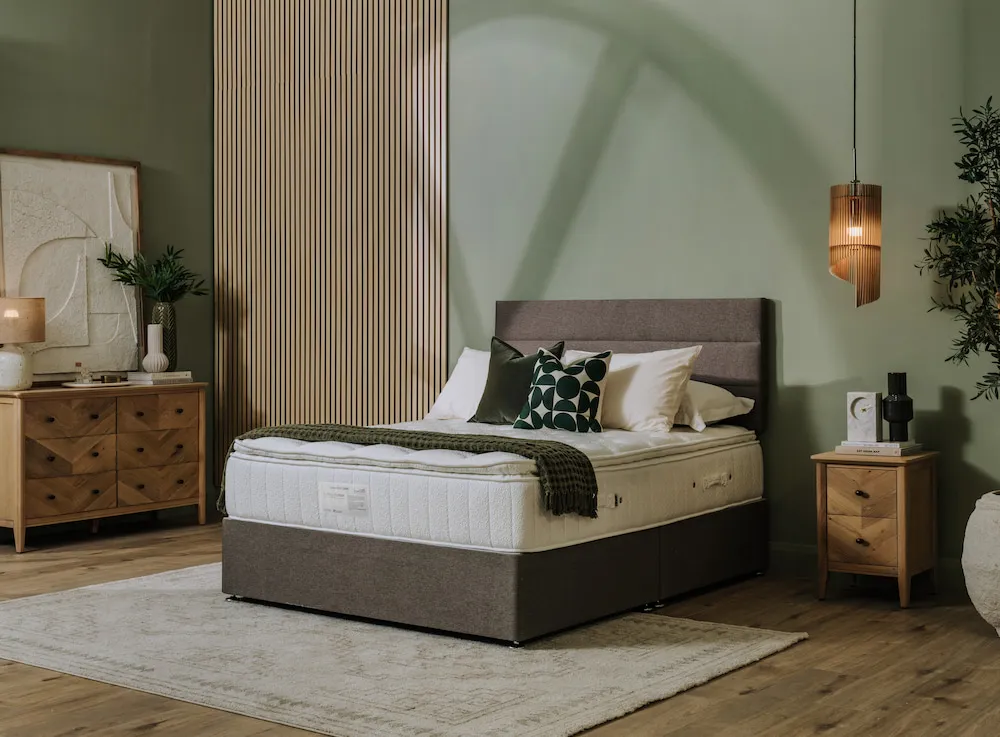
Spring has officially sprung, and with it comes the overwhelming desire to clean our entire homes. We don’t know whether it has been ingrained in us through generational guilt or whether we’ve come up with it on our own, but the reality is that many of us feel the need to deep-clean our homes during this time of year. One area that is often neglected is our mattresses, and contrary to popular belief, a mattress does require occasional cleaning – that is, if you haven’t taken the time to put measures in place that would prevent you from having to do it. In this blog, we discuss the preventative measures that you should adopt immediately when your new mattress arrives. Doing this will not only save you time with regard to cleaning, but also money because protecting your mattress can also add to its lifespan, meaning you’ll have it for longer. So, what are you waiting for? Learn how to protect your mattress today!
1. Let Your Mattress Breathe
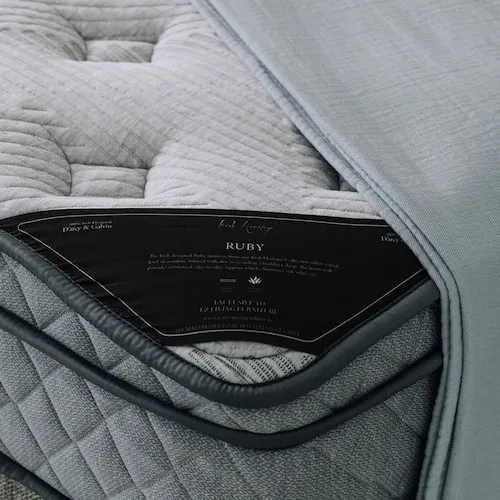
One crucial step many of us will overlook is allowing our new mattress to breathe. We’ll admit, it’s tempting to want to jump right in and take it for a test drive with an afternoon nap, but try to resist the temptation and leave it alone. Your new mattress needs time to expand and air out in a well-ventilated area. This allows any initial new product scents to dissipate. This step is particularly important for memory foam and vacuum-packed mattresses. Once you have left it for the recommended time (usually specified on documentation), or at least 24-48 hours, you’re good to go and can move on to the next step.
2. Use Mattress Protection
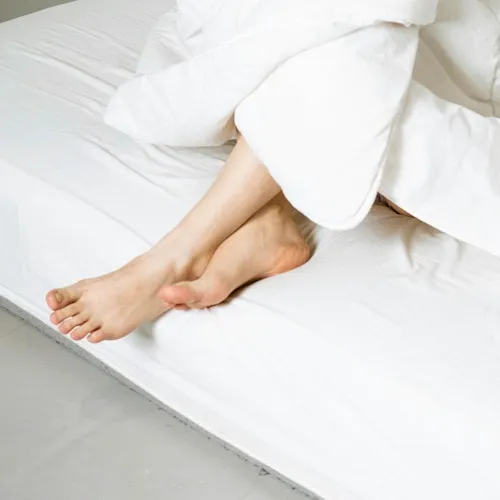
Once your mattress is aired, you’ll need to prepare it and not just with standard bed sheets; no, you’ll need protection. To keep your mattress looking as good as new, a mattress protector is required. A common myth for many is that a waterproof mattress protector is only required for kids’ mattresses, in case of accidents, but accidents can happen regardless of who is sleeping on a mattress, which is why we wholeheartedly recommend them. Even standard mattress protectors without the waterproof capabilities are worth investing in because they offer many benefits. While the waterproof option will protect against spills and stains, both reduce exposure to allergens such as dust mites, improve overall hygiene, and extend the lifespan of the mattress. And to clean it? All you need to do is wash it on a high heat when washing the rest of your bed sheets. It’s a no-brainer investment.

3. Regular Rotation Is A Must
Now that you can use your mattress and your bed is fully dressed, you can start sleeping on it! At last! But don’t forget, your mattress is still getting settled, and this means it will take a little while for the materials to recover and return to their original shape, which is why regular rotation is required. To rotate your mattress, you will need to rotate it so that what was the top previously is now at the bottom. This step ensures that your new mattress gets even wear on all areas, which ultimately prevents dips and sags over time. Our mattress experts recommend that you rotate a new mattress once a month for the first 6 months and once a quarter thereafter.
4. Hoover Your Mattress
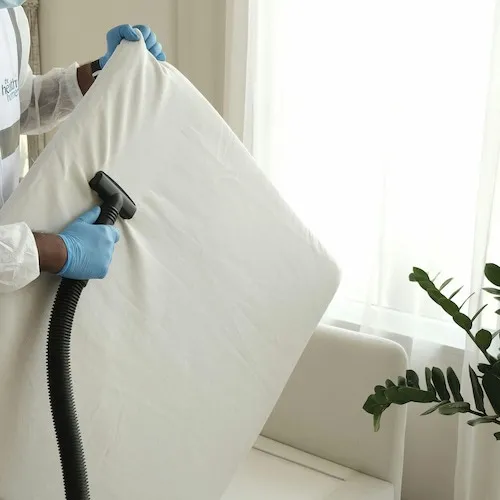
Thankfully, this step is only really necessary if you haven’t followed our advice above and invested in an inexpensive yet crucial mattress protector. Without protecting your new mattress, you can expect a build-up of skin and dust mites on its surface, ultimately leading to increased exposure to allergens. To prevent this from occurring, you will need to regularly hoover its surface. A protector creates a barrier, preventing dust mites and skin cells from penetrating the surface of the mattress, meaning you won’t ever have to hoover your mattress.
5. Stain Treat Only If Required
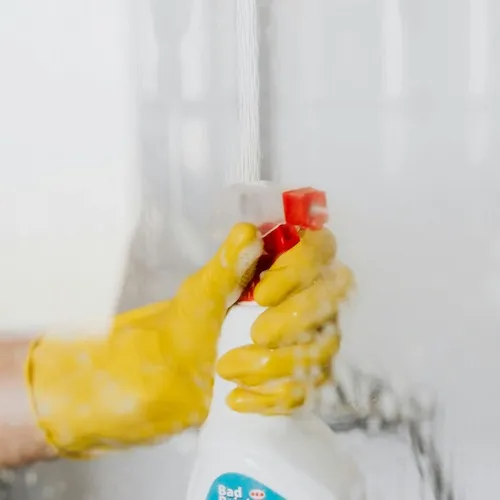
Again, we hate to repeat ourselves, but you can avoid this task by using a mattress protector. Of course, if you don’t have one, spills and stains will happen, and when they do, you’ll need to stain treat them. The problem with mattresses is that they are filled to the brim with foam and fillings, meaning they are prone to mould because it takes time for them to fully dry. When using a stain remover, always test on an inconspicuous area of the mattress first to ensure there isn’t any discolouration. Most importantly, though, you will want to make sure that you use as little water and product as necessary to prevent any mould build-up.
Our Big Mattress Sale is now on! With mattresses discounted across our entire range, it’s the perfect time to invest in a new mattress and mattress accessories. Shop our full mattress range here.
We hope you enjoyed this content and found it useful and informative. We aim to share our expertise and knowledge with our customers, and to do this, we have a team of content creators working tirelessly behind the scenes. We do not use AI to create our content. Click this link to find out more about our team and content guidelines.
Share this post