Spring has sprung, and with that also the return of sunnier days ahead. Unfortunately, the sunshine, although very welcome, draws attention to things we don’t want, i.e. dust and areas of the home that have been neglected. The term spring cleaning has long since been a part of our vocabulary, but what it primarily focuses on is furniture we wouldn’t necessarily clean from month to month....at least not thoroughly anyway. In this EZ Living Furniture Guide, we’ll discuss the most common materials found in the home and help you learn how best to care for them individually.

Genuine Leather Care
Genuine leather requires specialist cleaning, but only when compared to faux leather and bonded leather. Genuine leather is incredibly durable, which is why it makes such a great choice for the home, but as with all materials, it is more suitable for certain households than others. Wipeable clean, leather is a great option for homes with small children. When it comes to cleaning away marks from sticky fingers or even a spill, clean-up is minimal. Caring for genuine leather furniture over time doesn’t require much time or effort, either, but it does call for specifically designed products. Certain products can damage the finish on leather, and similarly, if leather is left unconditioned for a long time is more susceptible to damage, which is why a leather cleaning kit or leather wipes are an absolute must! Both will oftentimes include a moisturising agent, which helps to keep the surface from drying out, and a cleaning agent, which can remove any dirt. The kit is often a better investment because it will usually come with a stain remover too! If you make it a priority to keep your genuine leather items moisturised, 2-3 times a year, then you will avoid having to do any extra care. One final tip for preventing any damage to genuine leather is to dust it regularly, as leaving any dust sitting on the surface can, again, lead to potential damage.
EZ TIP: It’s important to keep genuine leather away from heat sources, as not doing so will dry out the leather, making it more susceptible to damage.
Velvet Fabric Care
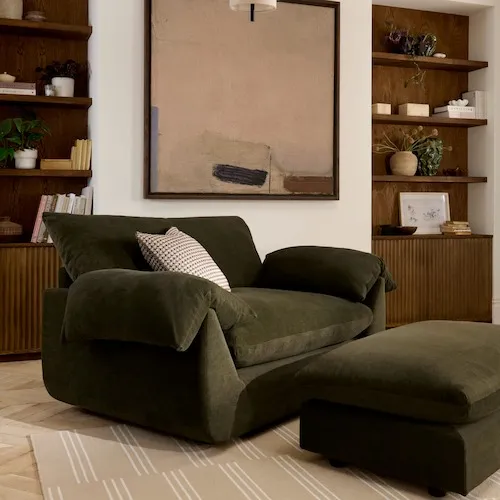
Contrary to popular belief, velvet is one of the easiest fabrics to maintain. Thankfully, the only thing that requires regular attention is the dust build-up. Velvet tends to gather dust more quickly than other materials. However, dust, debris, and fluff can be easily removed from velvet furniture using a lint roller. For spills such as tea, milk, and coffee, first allow them to dry into the mini fibres. We know this sounds incorrect, but trust us. Next, use a white, damp cloth and warm, soapy water, a baby wipe or even an upholstery wipe to rub at the stain. Once done, allow to dry. If you are still a little worried about colour transfer, we always suggest carrying out your treatment on an inconspicuous area of your furniture first. Like most fabric suites, you will need to enlist the help of a professional occasionally to remove body or pet odours. This will keep your items smelling fresh. Remember to have all matching pieces cleaned at the same time to ensure an even fade amongst all matching velvet pieces.
Polyester fabric is also another popular choice for upholstered furniture – read all of the best tips for keeping this top choice looking its best below!
Top Tips For Maintaining Your Polyester Furniture - EZ Living Furniture

Faux Suede Care
Faux suede is arguably one of the easiest fabrics to maintain. It doesn’t accumulate as much dust as velvet would, and spills aren’t a huge concern for it either because it is a microfibre material. Microfibre features a tightly woven structure which allows it to repel water effectively. If you do notice dirty marks or spills, you can use a paper to soak up the excess water and a clean, damp cloth to address the issue. Again, like with velvet or any fabric upholstery, an occasional steam clean is recommended to keep it smelling fresh.

Oak Care
Proper care and cleaning are crucial to preserving the look and longevity of oak wood furniture. Similar to leather, a dry microfibre cloth is required to prevent any dust from settling on the surface. By allowing dust to accumulate, scratches can occur, oftentimes from friction from other objects being placed and moved on it. To clean up any spills or remove any sticky residue, you can use warm water, a microfibre cloth, and a few drops of mild dish soap; however, it is best to use a wood-specific cleaner on these occasions, as they will oftentimes have something that will maintain the shine of the wood.
Now that you know how to care for the most common materials found in the home, it might be time to start shopping for those that better align with your lifestyle. Shop our full range here.
We hope you enjoyed this content and found it useful and informative. We aim to share our expertise and knowledge with our customers, and to do this, we have a team of content creators working tirelessly behind the scenes. We do not use AI to create our content. Click this link to find out more about our team and content guidelines.
Share this post