Choosing the right chair is more than just finding a style you love. It's about knowing what to look for to find the chair that's right for your home, lifestyle, and individual requirements. However, there are lots of factors to consider before making your final decision, including size, shape, material, height, and design.
In this EZ Living Furniture guide, we detail the differences between various chair types and options available, helping you to find the right fit for your home.
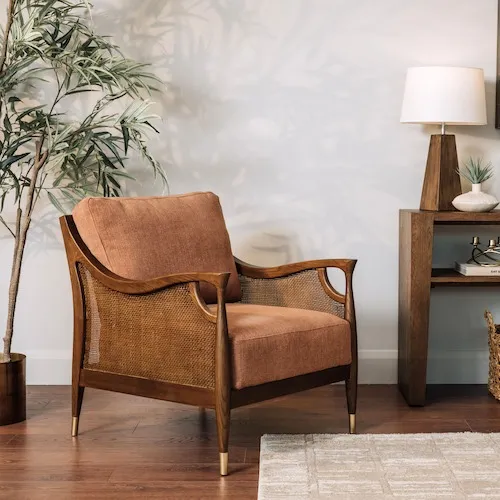
Understanding Chair Types
Chairs come in all shapes and sizes, and many come with different designs suited to different rooms and purposes. While some are designed for everyday dining, others offer additional comfort, support, or style. The most common chair types are:
- Dining chairs
- Bar stools
- Armchairs
- Accent & Occasional Chairs
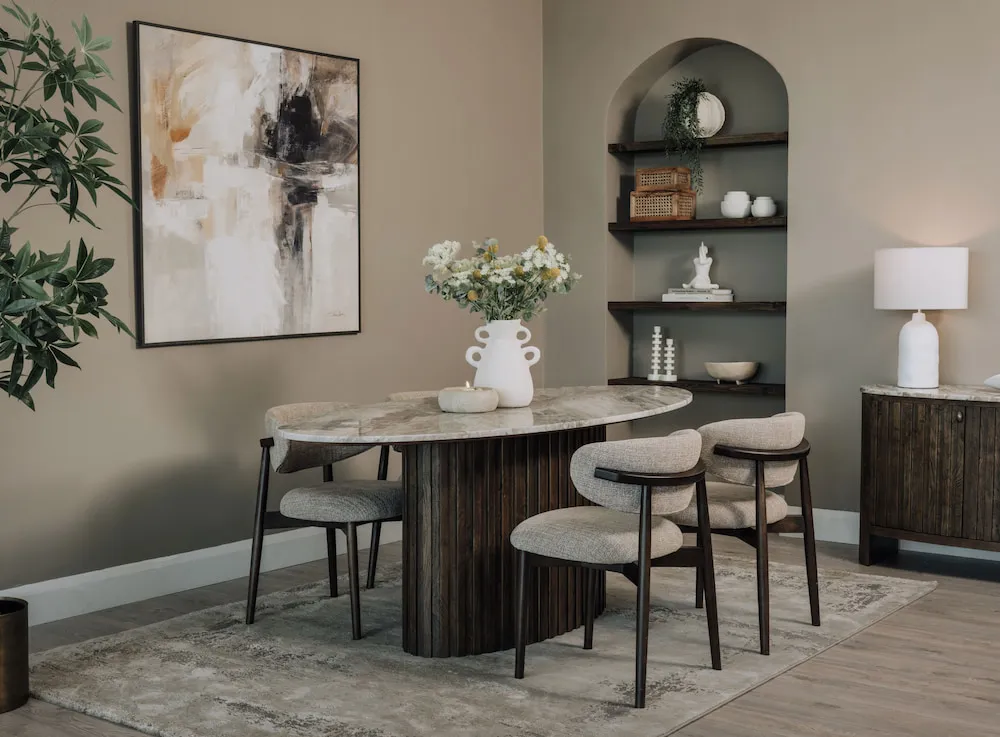
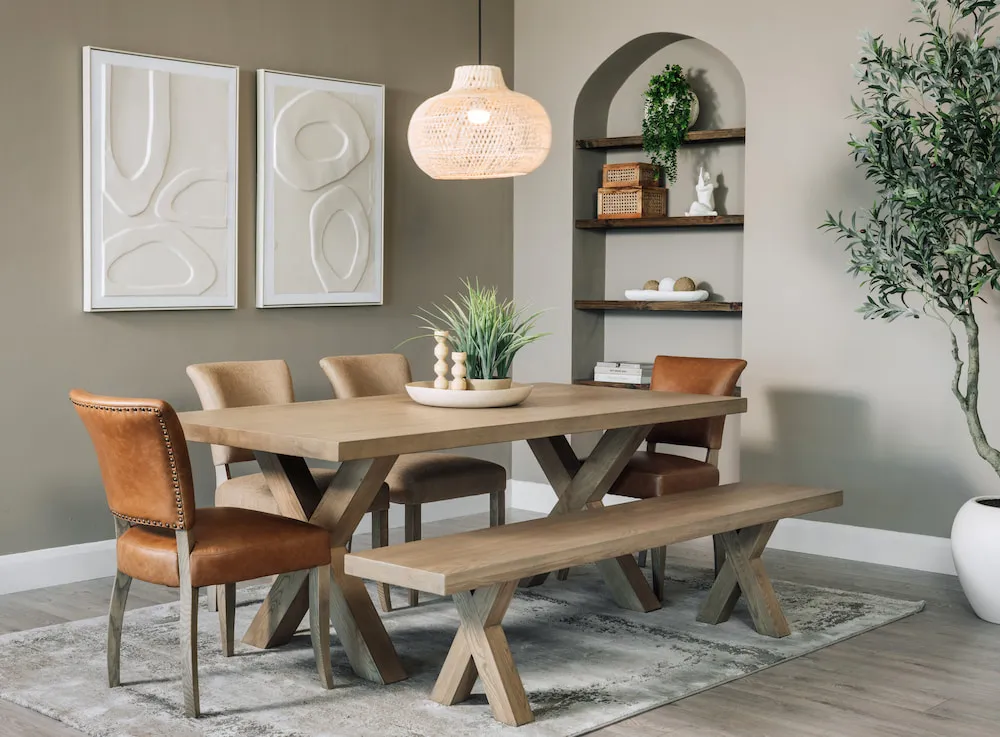
Dining Chairs: Designed for use around the dining table, dining chairs are available in a variety of materials and styles. Some feature arms while others have a simple armless design. Some have four legs, while others have a cantilever base.
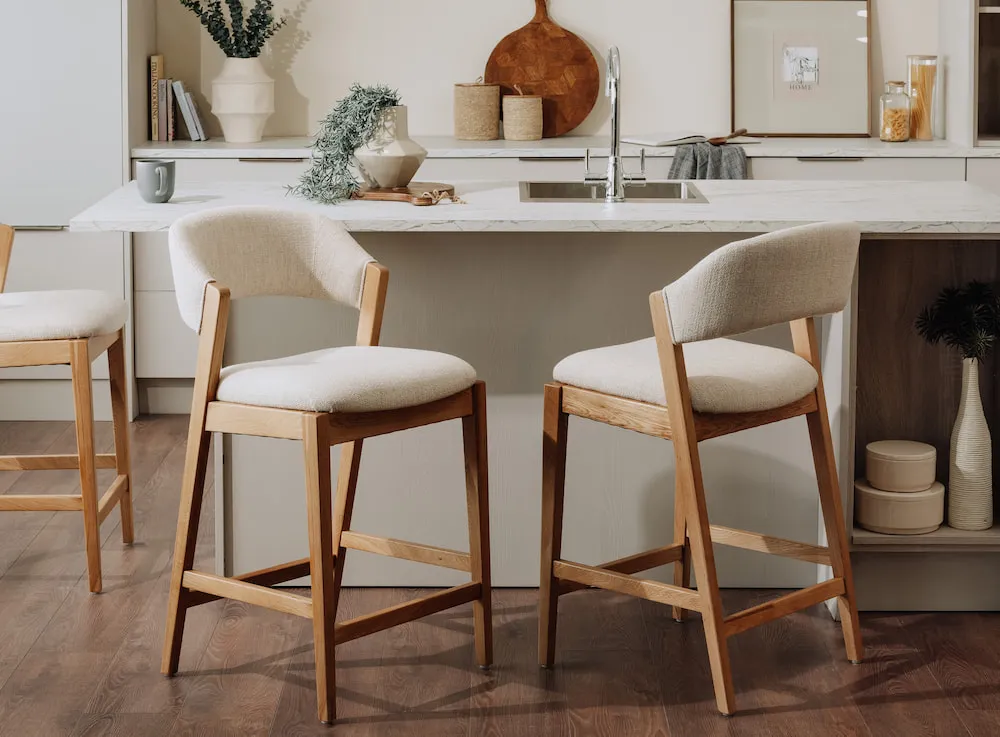
Bar Stools: Designed to be used at kitchen islands and breakfast bars. They are available in fixed and adjustable heights and with or without backs.
Armchairs: Featuring armrests for additional comfort and support, armchairs are typically found in living rooms, bedrooms, and reading areas. They range from traditional upholstered designs to swivel and reclining styles.
Accent & Occasional Chairs: Chairs typically designed as extra seating in a bedroom, living room or hallway. Their main function is as a statement piece in a room while also providing additional, functional seating. They are similar to an armchair in design (with/without arms), but differ in that they typically come in bold colours to provide that pop of colour and statement in a room.
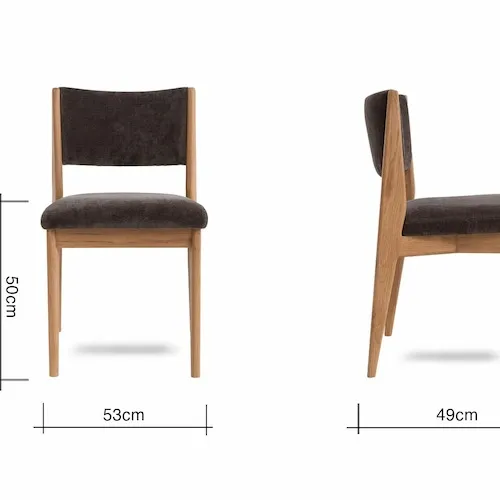
Understanding Chair Measurements
Before investing in a specific chair, you must consider its overall dimensions, including height (distance from the floor to the top of the backrest), width (distance from its furthest left point to its furthest right point), and depth (distance from the very front of the chair to the very back), while also considering the clearance needed to comfortably get in and out of it and move around it.
Chairs come in many different shapes and sizes, which is why it is so important to measure the ones you intend to buy (although dimensions should be available online).
In contrast to other comparison guides, a chair comparison guide differs in that you must also pay attention to the surrounding furniture. Oftentimes, chairs won't be found on their own, but rather as part of a larger furniture arrangement, making it important to consider how they will fit alongside other key pieces.
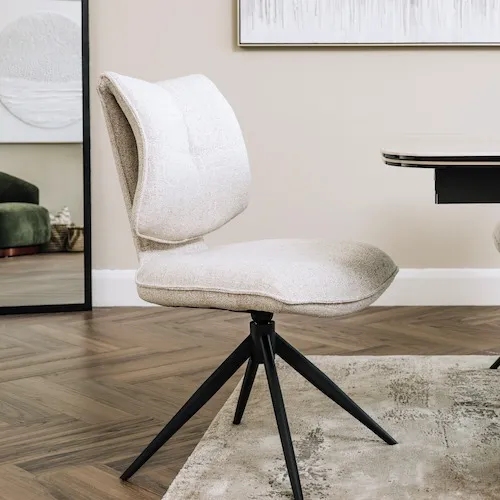
Understanding Dining Chair Designs
There are many dining chair designs to choose from, but typically what differentiates them from one another is their material, backrest style, and leg design.
Understanding Dining Chair Back Designs
Dining chairs are available with different backrest styles, which can influence both their appearance and the level of support they provide. Some of the most common back designs are:
Low Back Design: features a shorter backrest, creating a more understated and contemporary appearance.
Mid Back Design: Features a backrest that extends higher than a low-back design, providing additional support without dominating the overall look of the chair.
High Back Design: Features a taller backrest that provides greater support across the back while creating a more prominent appearance.
Curved Back Design: Features a backrest that curves around the sides of the chair, occasionally incorporating armrests for additional comfort and support.
Understanding Dining Chair Leg Designs
Dining chairs are also available with different leg and base designs, each offering a distinctive appearance. Some of the most common designs include:
Traditional 4-Leg Fixed Design: One of the most common chair leg designs, four individual legs are connected to the underside of the seat. They are usually positioned at each corner of the seat.
4-Star Base Design: Featuring four supporting legs that extend outwards from a central point beneath the seat, creating a distinctive star-shaped base.
Swivel 4-Star Base Design: Featuring four supporting legs that extend outwards from a central point beneath the seat, creating a distinctive star-shaped base. This design also incorporates a swivel mechanism, allowing the seat to rotate. Some designs feature a spring-return mechanism, meaning the chair automatically returns to its original forward-facing position when released.
Cantilever Leg Design: A contemporary design, a cantilever leg design can only be described as a chair that is supported by a frame that extends downward at the front before continuing along the floor, curving backwards.
| Traditional 4-Leg Fixed Design | 4-Star Base Design | Swivel 4-Star Base Design | Cantilever Leg Design | |
|---|---|---|---|---|
| Key Features | Four individual legs & versatile styling | Four legs extending from a central point to create a distinctive base | Rotating seat on a four-point supporting base & on some models a spring-return mechanism | Continuous frame, curved base & contemporary appearance |
| Best For | Traditional & contemporary dining spaces | Modern dining spaces & statement dining chairs | Modern dining spaces where ease of movement is important | Modern & minimalist interiors |
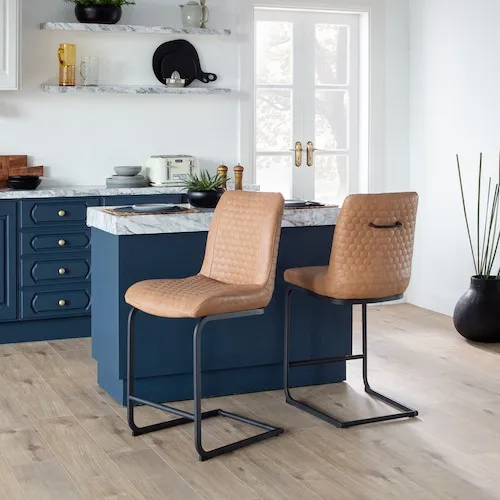
Understanding Bar Stool Designs
Bar Stools are typically taller than a standard dining chair and are designed as seating to be used at kitchen islands and breakfast bars. They are available in fixed and adjustable heights, with or without backs. And like dining chairs, bar stools differ in design, particularly when it comes to the leg design.
Understanding Bar Stool Back Designs
Bar stools are available with different backrest styles, depending on the level of support and appearance you prefer. The most common options include:
Full Back Design: Features a taller backrest that provides support across a larger area of the back.
Low Back Design: Features a shorter backrest that provides some support while providing a more open appearance.
Backless Design: Has no backrest, creating a minimal and compact design. These stools can also be easier to tuck in under a kitchen island when not in use.
Understanding Bar Stool Leg Designs
Traditional 4-Leg Fixed Design: Four legs are attached to the underside of the bar stool seat (one in each corner). Usually, the four legs are connected with footrests and support bars, but occasionally they can be completely separate, only connected to the underside of the bar stool seat.
Pedestal Base Design: Features one central supporting column beneath the seat rather than four individual legs. These stools generally feature a circular or flat base for stability and may include an adjustable-height mechanism.
Cantilever Leg Design: A bar stool with a contemporary design, cantilever legs begin under the bar stool seat and extend downwards at the front before continuing along the floor and curving backwards.
Fixed Or Adjustable Height?
An important consideration when choosing a bar stool is whether you need a fixed or adjustable seat height.
A great way to understand which is the best fit for you is to measure your breakfast bar or kitchen island and compare that against the measurements of the stool you are interested in purchasing. You will need to measure the width and height of your island and compare it with the measurements of the stool you are interested in purchasing.
Fixed Height: The seat remains at one set height, making it important to measure your kitchen island or breakfast bar before purchasing.
Adjustable Height: Features a mechanism often operated using a lever, allowing you to raise or lower the seat to your counter. height.
Essential Bar Stool Measurement You Need To Know
To make sure that the stool you want (fixed or adjustable) will fit with your pre-existing counter, you will need to measure certain elements of the stool(s) against it, including:
Floor to seat stool measurement
Seat to underside of the counter
Distance between each stool
Seat to the underside of the counter recommended clearance: Ideally, you will need to allow a clearance of at least 8"-10" (20-25cm) from the top of the stool seat to the underside of the counter. This will leave enough leg room to easily get in and out of the stool.
Multiple fixed stool clearance: We suggest leaving a space of at least 6" (15cm) between each stool to allow for easier access.
Multiple swivel stool clearance: Swivel stools will require a larger clearance of at least 8"-10" (20cm-25cm) to comfortably access them.
| Traditional 4-Leg Design | Pedestal Base Design | Cantilever Leg Design | |
|---|---|---|---|
| Key Features | Four individual legs, often with footrests & supporting bars | Central supporting column, often with adjustable height & swivel design | Continuous frame with a distinctive curved base |
| Best For | Traditional & contemporary kitchens | Modern kitchens and breakfast bars | Contemporary & minimalist interiors |
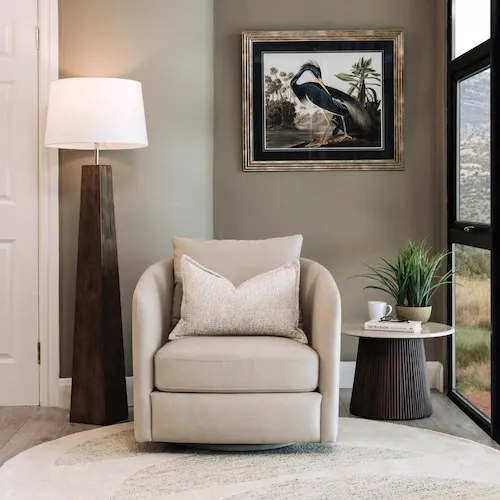
Understanding Armchair, Accent & Occasional Chair Designs
There are many armchair designs to choose from. These chairs can differ in their backrest height, overall shape, armrest design, and additional comfort features. Some of the most common styles are:
Standard Armchair: A traditional upholstered chair, featuring a seat, backrest, and two armrests.
High-Back Chair: Features an extended backrest that provides additional support and creates a more prominent feature in the home.
Low-Back Chair: Features a shorter backrest, often creating a more contemporary and understated appearance. Think Chesterfield!
Manual Recliner Chair: Designed to tilt backwards and extend at the footrest with the use of a manual pull-lever, typically found on the side of the chair. Reclining chairs provide a more relaxed seating position.
Electric Recliner Chair: Designed to tilt backwards and extend the footrest with the use of a button, typically found on the side of the chair or located on the inside of the armrest. A nearby power supply is required to power the chair/recline.
Cinema Chair: The footrest extends out from under the seat while the backrest remains fixed and in an upright position. A nearby power supply is required to power the chair/extend.
Swivel Chair: Features a rotating base that allows the chair to turn in different directions.
Rocker Chair: Features curved runners beneath the chair, allowing it to rock backwards and forwards.
Cuddler Chair: A wider-than-usual armchair with a generous seat (AKA Love Seats or 1.2 Seater Armchairs), designed to provide extra room to relax.
When choosing an armchair or occasional chair, consider the height and shape of the backrest, the presence of any armrests, and any additional features that may influence comfort and usability.
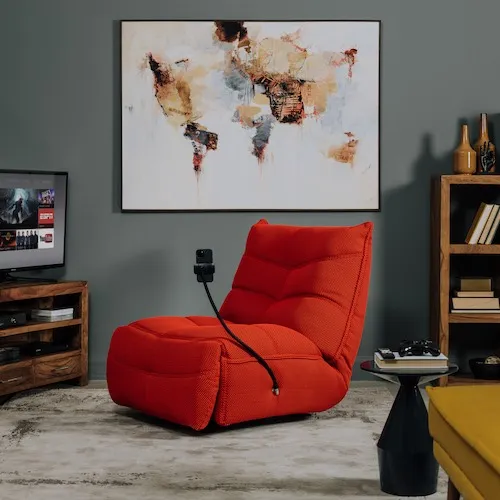
Understanding Chair Features
There are many chair features to choose from. Each one brings its own benefits and should be carefully considered before purchasing the chair for you.
| USB | Hands-Free Phone Holder | Cup Holder | Seat Warming | Integrated Speakers | Power Tilt Headrest | Tilt & Rise | |
|---|---|---|---|---|---|---|---|
| Key Features | Built-in device charging | Bendable arm for mobile phone | Dedicated drink storage | Heated seat | Built-in audio | Adjustable headrest | Powered assistance rising the chair from sit to stand |
| Best For | Everyday convenience | Hands-free, close-up entertainment | Movie nights | Added comfort in colder weather | Home entertainment & movie nights | Personalised head & neck support | Perfect for those who struggle to get in and out of a chair |
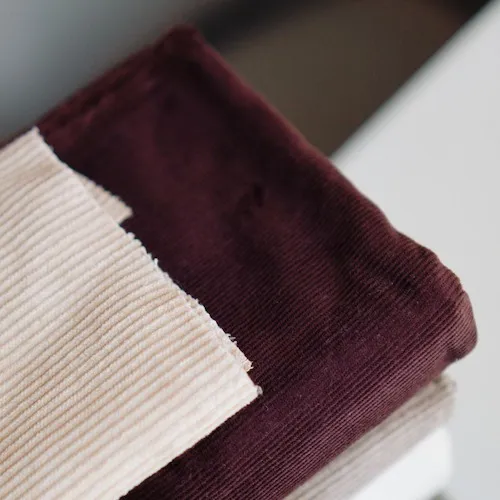
Understanding All Chair Materials
The material and upholstery of your chair can have a significant impact on its appearance, comfort, durability, and maintenance requirements. Each material has its own characteristics to consider, and understanding the differences can help you choose an upholstery option that suits your home, lifestyle, and budget.
| Wood | Plastic | Genuine Leather | Faux Leather | Faux Suede | |
|---|---|---|---|---|---|
| Look & Feel | Smooth & practical | Practical & sleek | Smooth & durable | Smooth & practical | Soft & slightly textured |
| Durability | Generally, highly durable, but wood type dictates | Generally, quite durable | Generally, highly durable | Durable for everyday use | Generally durable due to its microfibre construction |
| Maintenance | Easy to clean but some wood types require maintenance (sanding, waxing or oiling) | Easy to clean & doesn't require any maintenance | Requires specific leather care | Easy to clean & maintain | Requires regular care |
| Comfort | Smooth but firm | Smooth but firm | Feels cold initially, but warms with use | Smooth & comfortable | Soft & comfortable |
| Best For | Busy households | Busy households | Durability & longevity | Easy maintenance | Cosy living spaces |
| Polyester | Velvet | Chenille | Bouclé | |
|---|---|---|---|---|
| Look & Feel | Soft & versatile | Soft & durable | Soft & textured | Textured & tactile |
| Durability | Resistant to everyday wear | Typically, forgiving | Durable for everyday use | Generally durable |
| Maintenance | Easy to clean & maintain | Requires regular care | Regular vacuuming recommended | Regular vacuuming recommended |
| Comfort | Soft & comfortable | Soft & plush | Soft & cosy | Soft & cosy |
| Best For | Busy households | Modern Interiors | Cosy & comfortable living spaces | Contemporary spaces |
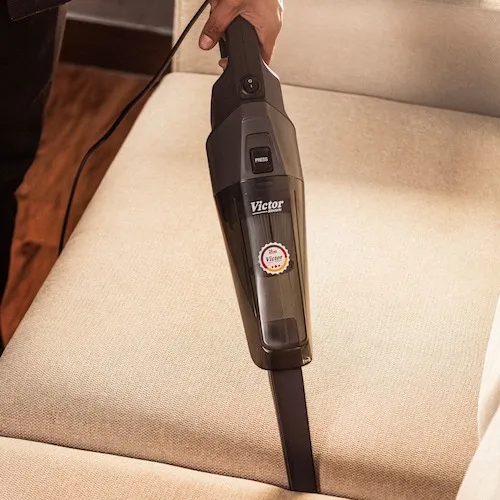
Understanding Chair Care
Appropriate care of your chair can help to maintain its appearance, comfort, and condition for longer. Different upholstery materials require different cleaning and maintenance methods, so it's important to understand how to care for your chair based on the material you choose. Here, we list the key cleaning and care tips for some of the most popular chair materials, allowing you to choose the material most suited to your lifestyle.
| Wood | Plastic | Genuine Leather | Faux Leather | Faux Suede | |
|---|---|---|---|---|---|
| Cleaning Tips | Wipe spills with a soft, damp cloth | Wipe with a soft cloth & mild cleaning solution | Wipe spills quickly with a soft, dry or slightly damp cloth | Wipe spills quickly with a soft, dry or slightly damp cloth and mild cleaning solution | Blot spills gently with a clean, damp cloth. Use a suitable fabric cleaner when required |
| Care Tips | Generally, requires sanding & oiling or waxing, depending on the finish | Requires little maintenance but avoid excessive heat | Use leather cleaning wipes 3-4 times a year to clean, moisturise, and add a protective layer | Clean regularly to prevent dirt and oils from building up | Brush gently with a soft brush to maintain the fabric's appearance |
| Additional Care | Keep away from prolonged direct sunlight and heat to prevent fading | Keep away from prolonged direct sunlight to prevent fading | Keep away from heat sources and direct sunlight. Condition periodically | Keep away from prolonged direct sunlight and heat to prevent fading | Avoid excessive moisture and prolonged, direct sunlight |
| Polyester | Velvet | Chenille | Bouclé | |
|---|---|---|---|---|
| Cleaning Tips | Blot gently with a clean, damp cloth and the appropriate fabric upholstery cleaner | Use a clean, damp cloth and a mild detergent to tackle any spills or stains | Blot spills gently with a clean, damp cloth | Gently blot spills with a clean, damp cloth |
| Care Tips | Vacuum regularly with a soft brush attachment | Vacuum regularly with a soft brush attachment to remove dust | Vacuum regularly with a soft brush attachment | Vacuum regularly with a soft brush attachment |
| Additional Care | Keep away from prolonged direct sunlight and heat to prevent fading | Follow the direction of the pile to help maintain its appearance | Avoid rubbing or scrubbing at the fabric, as this can permanently affect the texture | Avoid rubbing or pulling the loops and protect it from pets' claws and sharp objects, which can catch or pull the loops |
EZ TIP: It's worth investing in a suitable fabric or leather care kit when you purchase your chair. Having the right products to hand can make it easier to deal with spills, stains, and everyday wear while helping to maintain your chair and keep it looking its best for longer.

FAQs
What is the difference between a chair and a stool?
A dining chair is typically lower in height than a stool. Dining chairs are designed specifically for the height of a standard dining table, whereas stools are designed to suit a higher bar table or kitchen counter.
What is the difference between an armchair & sofa?
A sofa typically offers seating for 2+ people, while an armchair is an individual seat for one person (or 1.5, but they are generally referred to as cuddler chairs/armchairs).
What is the difference between an armchair and an accent chair?
Both chairs are designed to seat one person, but while they are similar in functionality, they differ in terms of design. Armchairs are typically made to accompany a sofa range and provide comfortable, relaxed seating. In contrast, an accent chair isn't usually part of a sofa range, and its main purpose is to create a statement in the room with a bold pattern or colour.
What is the difference between a bar stool and a counter stool?
The only difference between the two is their heights. Bar stools tend to be taller than counter stools to suit higher bar tables, while counter stools are made for lower kitchen counters. However, sometimes the names can be used interchangeably, so it is always worth measuring any stool against your bar table/kitchen counter.
What is the difference between a bar stool and a kitchen stool?
The names counter stool and kitchen stool are used interchangeably. Both are designed to offer seating for kitchen counters/islands.
What is the best fabric for chairs?
This all depends on your individual requirements and the chair in question. If you have a busy household with small children and pets, the priority should be to choose a material that requires less cleaning and maintenance overall, and perhaps doesn't scratch as easily. Faux suede is relatively easy to maintain and clean, and is resistant to scratches, which is why it is a great choice for many. If you would rather have something slick that can be easily wiped clean, then leather should be considered, although more regular maintenance is required with leather to keep it looking its best. All fabrics come with pros and cons and should be carefully considered before making your choice.
We hope you enjoyed this content and found it useful and informative. We aim to share our expertise and knowledge with our customers, and to do this, we have a team of content creators working tirelessly behind the scenes. We do not use AI to create our content. Click this link to find out more about our team and content guidelines.
Share this post